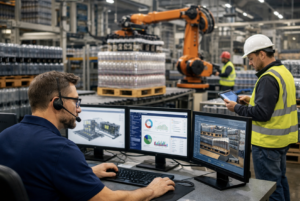
Modern manufacturing depends on far more than machinery, labor, and raw materials. In today’s environment, information technology helps shape how work is scheduled, how inventory is tracked, how orders move through production, how customers receive updates, and how leadership makes decisions. For a Beverage Pallet Manufacturer, IT is no longer a side function sitting in the background. It is part of the operational backbone that supports speed, visibility, accountability, and long-term growth. As IT management and IT operations have become more central to how companies run, manufacturers have had to think differently about the role technology plays inside the business.
A modern pallet operation has moving parts in every direction. Materials need to arrive on time. Production needs to stay organized. Equipment needs to be monitored. Inventory needs to remain accurate. Shipping needs to move without confusion. Customers need reliable communication. IT supports each of those areas by creating systems that reduce friction and make information easier to access, trust, and act on. When that foundation is strong, the company becomes easier to manage and easier to grow.
IT Creates Better Coordination Across the Entire Operation
One of the most valuable things IT brings to a pallet manufacturer is connection. In many manufacturing environments, teams can become siloed. Sales may know one thing, production may know another, and shipping may be working from outdated information. That disconnect creates mistakes, delays, wasted labor, and customer frustration. Modern IT systems help tie those departments together so that orders, specifications, timelines, and fulfillment details stay aligned from the front office to the plant floor. That kind of coordination sits at the center of manufacturing digital transformation and broader smart manufacturing efforts.
For a manufacturer serving beverage-related needs, coordination matters even more because customers often expect consistency, dependable turnaround, and clear communication. IT makes it easier to manage purchase orders, production schedules, customer records, delivery commitments, and inventory levels inside connected systems rather than scattered spreadsheets or disconnected conversations. That shift improves internal clarity and gives leadership a more accurate picture of what is happening in real time.
Better Data Leads to Better Decisions
Good operators know that guessing is expensive. When production managers, owners, or department leaders are forced to make decisions without clean data, they often react too late or move in the wrong direction. IT helps solve that by turning daily activity into usable information. Instead of relying on memory, assumptions, or end-of-week summaries, companies can work from timely reporting tied to production output, labor use, equipment status, order flow, and inventory movement.
This is where the role of IT becomes practical, not theoretical. A strong technology environment gives teams better visibility into bottlenecks, downtime, shortages, recurring errors, and customer demand patterns. It helps a manufacturer see where profit is being protected and where it is leaking away. That is a major reason why Industry 4.0 continues to shape manufacturing conversations and why modern manufacturers keep investing in connected workflows, better analytics, and systems that help people act faster with more confidence.
Data also improves planning. When a pallet company can see historical trends, order cycles, material consumption, and production timing more clearly, it becomes easier to forecast labor needs, reduce avoidable delays, and prepare for seasonal demand. That kind of operational visibility strengthens day-to-day execution while also helping the business make smarter strategic decisions.
IT Supports Equipment Reliability and Production Stability
In manufacturing, unstable systems create expensive problems. When machines go down unexpectedly, software fails, networks lag, or critical information is unavailable, production feels it almost immediately. IT helps reduce that risk by supporting the systems that keep a facility functioning. That can include network reliability, device management, secure access, backup systems, maintenance software, cloud platforms, monitoring tools, and data storage practices that prevent disruption from spreading across the operation.
That support is not just about fixing computers when something breaks. It is about building an environment where the business can operate with fewer surprises. Modern IT operations management focuses on visibility, incident response, system performance, backup processes, access control, and service continuity. In a manufacturing setting, that means IT is directly tied to operational stability, not just administrative convenience.
A pallet manufacturer that invests in dependable IT is also investing in production consistency. It becomes easier to maintain records, support maintenance planning, keep communication moving, and avoid small technical issues turning into larger operational headaches. In a competitive market, stability is a real advantage.
Cybersecurity Is Now an Operations Issue, Not Just a Tech Issue
Many companies used to think of cybersecurity as something mainly relevant to banks, hospitals, or large corporate offices. That mindset no longer fits the real world. Manufacturers face real risk because they rely on connected systems, vendor relationships, digital records, and operational technology that can be disrupted if the wrong threat gets through. For a pallet manufacturer, that can mean interrupted scheduling, compromised customer data, locked systems, delayed shipments, or broader business downtime.
That is why IT now plays a major role in protecting business continuity. Strong passwords alone are not enough. Modern protection requires layered security, controlled access, regular updates, backup strategies, employee awareness, and policies that reduce human error. The NIST Cybersecurity Framework Manufacturing Profile reflects how important cyber risk management has become inside manufacturing environments, especially where digital systems are directly connected to operations.
Cybersecurity also affects trust. Customers want to work with suppliers who appear organized, reliable, and responsible. When a manufacturer protects its systems and manages information well, that professionalism shows. It strengthens confidence in the company and supports the kind of reputation that helps long-term partnerships grow.
IT Leadership Has Become a Business Growth Function
One of the biggest changes in recent years is that IT leadership is no longer viewed only as technical support. Across industries, the role has expanded into strategy, process improvement, risk management, automation, cost control, and innovation. That shift matters for manufacturers because the technology conversation is no longer separate from the operations conversation. The person leading IT, whether that is a CIO, director, manager, or trusted outside partner, often helps shape how the company scales.
Recent coverage on changes to the CIO role in 2026 and how the CIO role continues to expand shows how IT leadership is increasingly expected to guide transformation, connect business goals to technology, and support enterprise-wide decision-making. In smaller or mid-sized manufacturing businesses, that same thinking still applies even if the title looks different. Someone has to own the technology vision and make sure the systems being used actually help the business move forward.
That leadership also includes people. Technology only creates value when teams can use it well. Training, adoption, accountability, workflow design, and communication all matter. A pallet company that adds software without clear ownership often creates confusion. A company that aligns people, systems, and expectations has a much better chance of turning IT into measurable business value.
IT Improves Customer Experience and Supplier Confidence
Manufacturing relationships depend on trust. Customers want accurate lead times, clear communication, dependable quality, and fewer surprises. Suppliers want organized forecasting, better coordination, and smoother transactions. IT helps strengthen those relationships by making information more dependable and easier to share. When the company knows what inventory is available, what production capacity looks like, what orders are pending, and what shipments are scheduled, it communicates with far more confidence.
That matters because customer experience is not only about friendliness. It is also about predictability. If a manufacturer can respond faster, confirm details more clearly, and reduce avoidable mistakes, the customer notices. Strong internal systems make the company feel more professional from the outside. Over time, that can support repeat business, better referrals, stronger reviews, and a more credible online presence.
This is one reason modern manufacturers keep moving away from fragmented processes and toward integrated platforms. Better systems make the company easier to do business with, and that has real value in a market where buyers often remember missed details more than good intentions.
The Future of Manufacturing Depends on Practical, Well-Used Technology
The future of manufacturing will not belong only to the companies with the newest machines. It will belong to the companies that combine operational strength with usable, dependable technology. That does not mean chasing every trend. It means choosing the right systems, using them well, keeping them secure, and making sure they support the actual needs of the business. The best IT environments are not flashy. They are clear, reliable, scalable, and aligned with the way the company works.
For a pallet manufacturer serving the beverage market, IT can help create that advantage by improving visibility, reducing confusion, protecting continuity, and supporting smarter growth. It helps leadership move from reactive decision-making to proactive management. It helps teams work with better information. It helps customers experience a company that feels organized and dependable. That combination is hard to ignore in a market where speed, trust, and execution matter every day.
Conclusion
The role of IT in modern beverage pallet manufacturer operations is practical, measurable, and increasingly essential. It supports coordination, protects production, strengthens cybersecurity, improves customer communication, and gives leadership better insight into what is happening across the business. It also helps create the kind of operational credibility that supports stronger trust signals online and a more authoritative digital presence over time.
When IT is treated as part of the business strategy rather than a background utility, the manufacturer is in a better position to operate efficiently, respond confidently, and grow with less friction. That is why technology now matters so deeply in manufacturing operations. It is not just supporting the business. It is helping shape how the business performs.